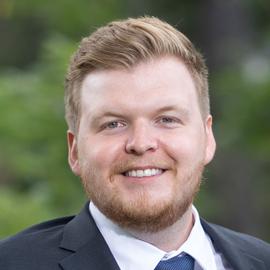
My research investigates how the visual world around us shapes what we remember. I use behavioural experiments, brain imaging, and neural networks to understand what makes information memorable or forgettable. I then leverage these insights to engineer cognitively optimized visual designs that enhance memory and learning.
CV- Data-driven cognitive design
- Neural memory representations
- Active encoding techniques
PhD in Cognitive Neuroscience, 2023
University of Waterloo
MA in Cognitive Neuroscience, 2019
University of Waterloo
Honours BA in Psychology, 2017
University of Waterloo
Experience

- Investigating how perceptual and conceptual information is encoded and represented in memory, using behavioural experiments and computational approaches.
- Studying how the memorability of brand logos and other visual assets influences brand recognition, consumer consideration, and decision-making.
- Collaborating on Toyota Research Institute-supported neuroforecasting research examining whether neural and behavioural responses from small samples can predict broader consumer preferences for vehicles.

- Investigated the cognitive and neural mechanisms of intrinsic visual memorability, identifying and experimentally manipulating stimulus features to improve memory.
- Combined computer vision, behavioural experiments, and generative AI to create designs that improved recognition by 18% and cued recall by 21% (PNAS, 2026).
- Established a statistical approach that can detect changes in people’s attention in real time, allowing for the strategic presentation of memorable pictures depending on when they are most effective.
- Supervised an international study to understand whether very poor imagination ability leads to worse memory performance.

- Spearheaded a new area of psychological research exploring how everyday visual symbols (e.g., !@#$%) and brand logos are processed in memory; resulted in 3 lead-author publications (including in a top-5 journal).
- Led a review and meta-analysis evaluating the impact of actions on memory; synthesized research from 182 behavioural, neuroimaging, and patient studies spanning 40+ years; published findings in psychology’s highest impact journal (Psychological Bulletin).
- Authored multiple project proposals; garnered $230,000+ in competitive funding from federal and provincial agencies.
- Designed and executed numerous research projects working with neurological patients and vast, crowd-sourced online data sets; produced 13 peer-reviewed publications (11 as lead author) and 28 conference presentations.
- Mentored 11 research assistants and 4 undergraduate students (2 honours theses, 2 directed studies); resulted in 2 publications and 2 undergraduate thesis awards.
- Directed 2 courses on brain and behaviour as well as memory research, yielding 95%+ passing rates, 5/5 scores from students’ evaluations of the learning environment, and favourable reviews of my presentation skills from expert observers.
- Elevated 15 university courses by implementing evidence-based teaching methods, including 6 business courses focused on entrepreneurship, practical business skills, and human resources management; received 94% positive student reviews.
- Managed a database of 400+ older adult volunteer participants from the local community; consulted 1-on-1 with university researchers to understand their data collection needs, cultivating 70+ scientific projects across 20+ research domains.
- Streamlined participant recruitment by conducting stakeholder interviews with volunteers to understand their experiences and desires; introduced an online recruitment process to improve efficiency, reducing intake from 2 hours to < 30 minutes.
Publications
Teaching
My teaching is informed by my research on learning and memory. I incorporate engaging demonstrations, retrieval practice, active learning, and hands-on experimentation to help students develop a deeper understanding of psychological science. Whether teaching large lectures or smaller seminars, I aim to make complex concepts approachable without sacrificing scientific rigour.
I am particularly interested in teaching advanced research methods and making the practical skills of contemporary science more accessible, including experimental programming, reproducible analysis, open science, and scientific communication.
- PSYCH 101 (Fall 2017) - Introductory Psychology
- PSYCH 101 (Winter 2018) - Introductory Psychology
- HRM 200 (Spring 2018) - Basic Human Resources Management
- PSYCH 291 (Fall 2018) - Basic Research Methods
- PSYCH 292 (Winter 2019) - Basic Data Analysis
- PSYCH 211 (Spring 2019) - Developmental Psychology
- ARBUS 300 (Fall 2019) - Practical Business Skills
- PSYCH 390 (Winter 2020) - Research in Memory
- PSYCH 292 (Spring 2020) - Basic Data Analysis
- PSYCH 461 (Fall 2020) - Case Studies in Neuropsychology
- ARBUS 300 (Winter 2021) - Practical Business Skills
- ARBUS 200 (Spring 2021) - Entrepreneurship Principles and Practices
- ARBUS 300 (Fall 2021) - Practical Business Skills
- ARBUS 200 (Spring 2022) - Entrepreneurship Principles and Practices
- PSYCH 372 (Winter 2023) - Environmental Psychology
Course Instructor
Open Science
I believe that good science should be transparent, reproducible, and open. At the University of Chicago, I led the ReproducibiliTea open science journal club, and I currently serve as a Fellow of the Institute for Replication. Below are a few examples of my open-science projects and datasets that may be of interest.


Outside The Lab
Outside the lab, I love to travel and try new foods around the world. Motorcycle camping is my preferred method of exploration. After defending my PhD, I embarked on a 6-week solo motorcycle trip to Alaska, venturing as far north as the Arctic Circle.
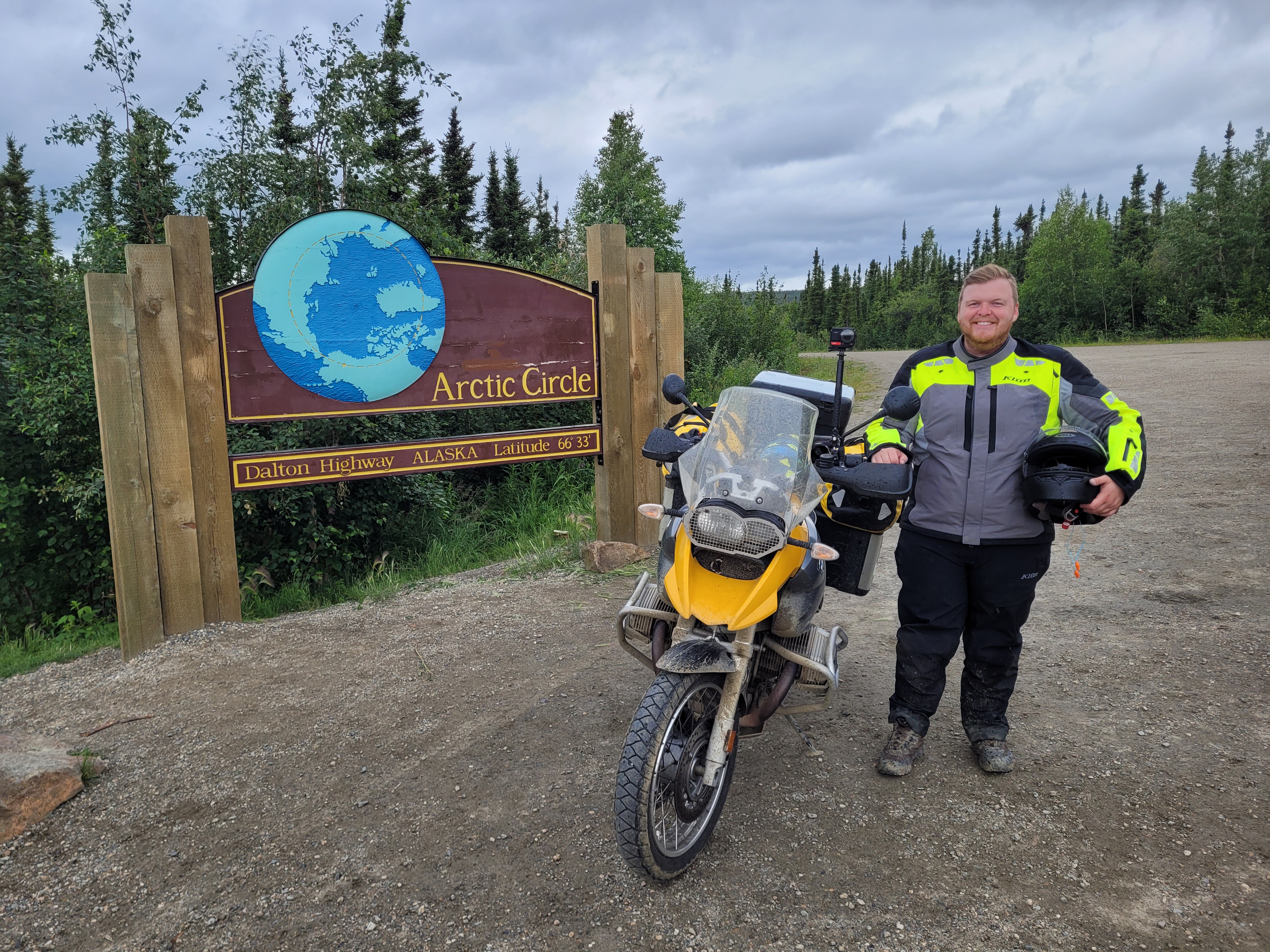
Arctic Circle, Alaska
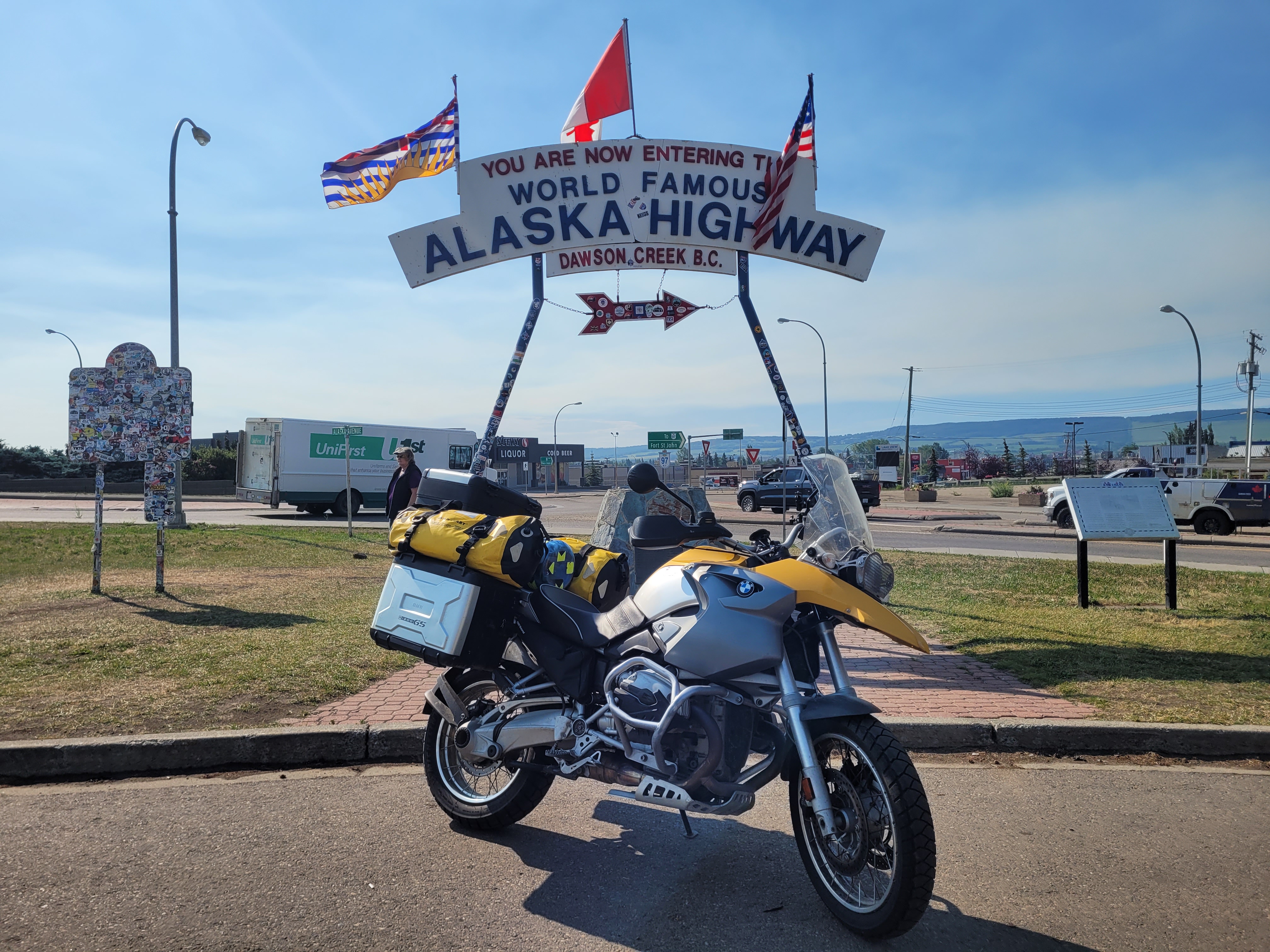
Dawson Creek, British Columbia
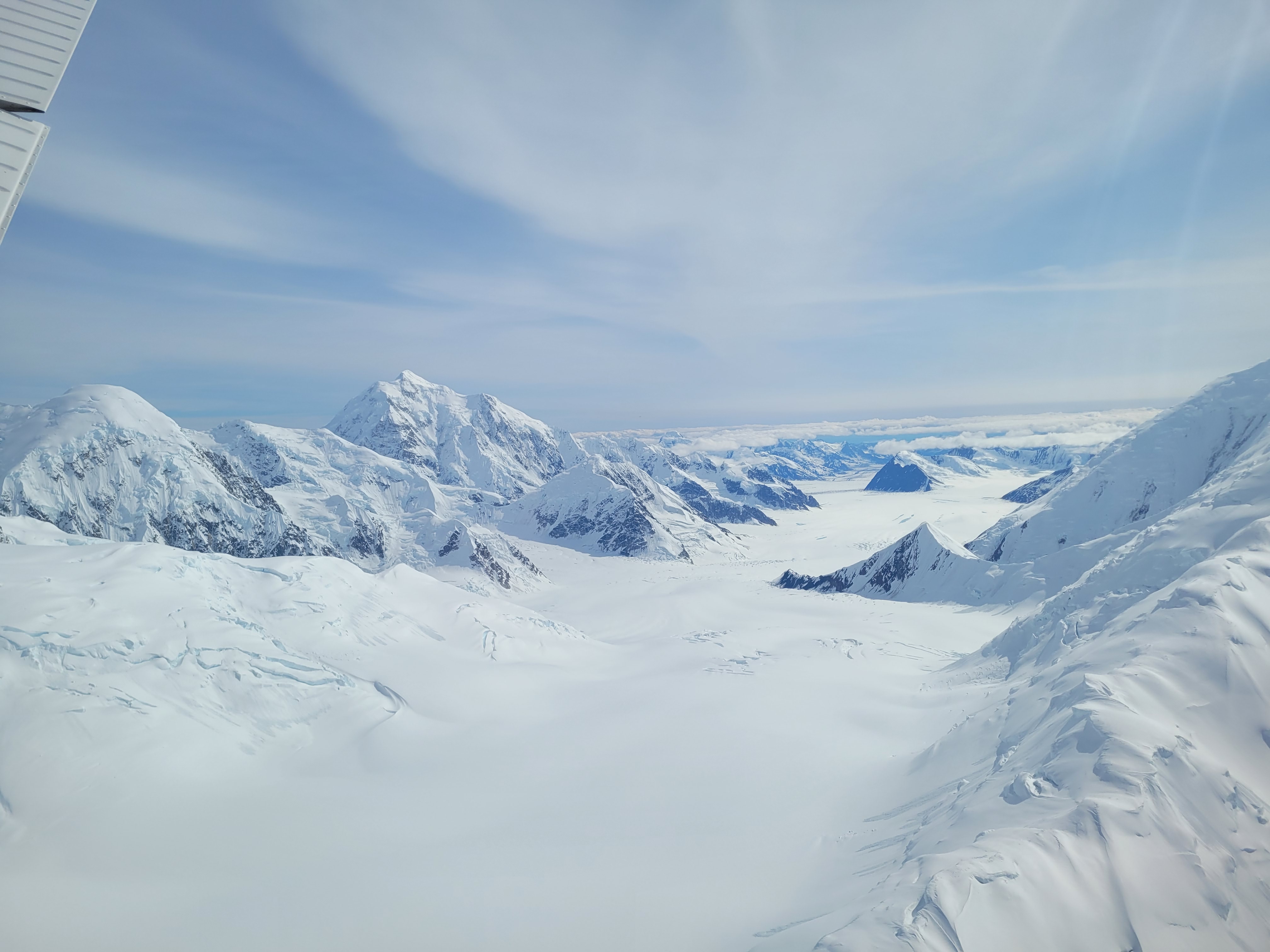
Mount Denali, Alaska
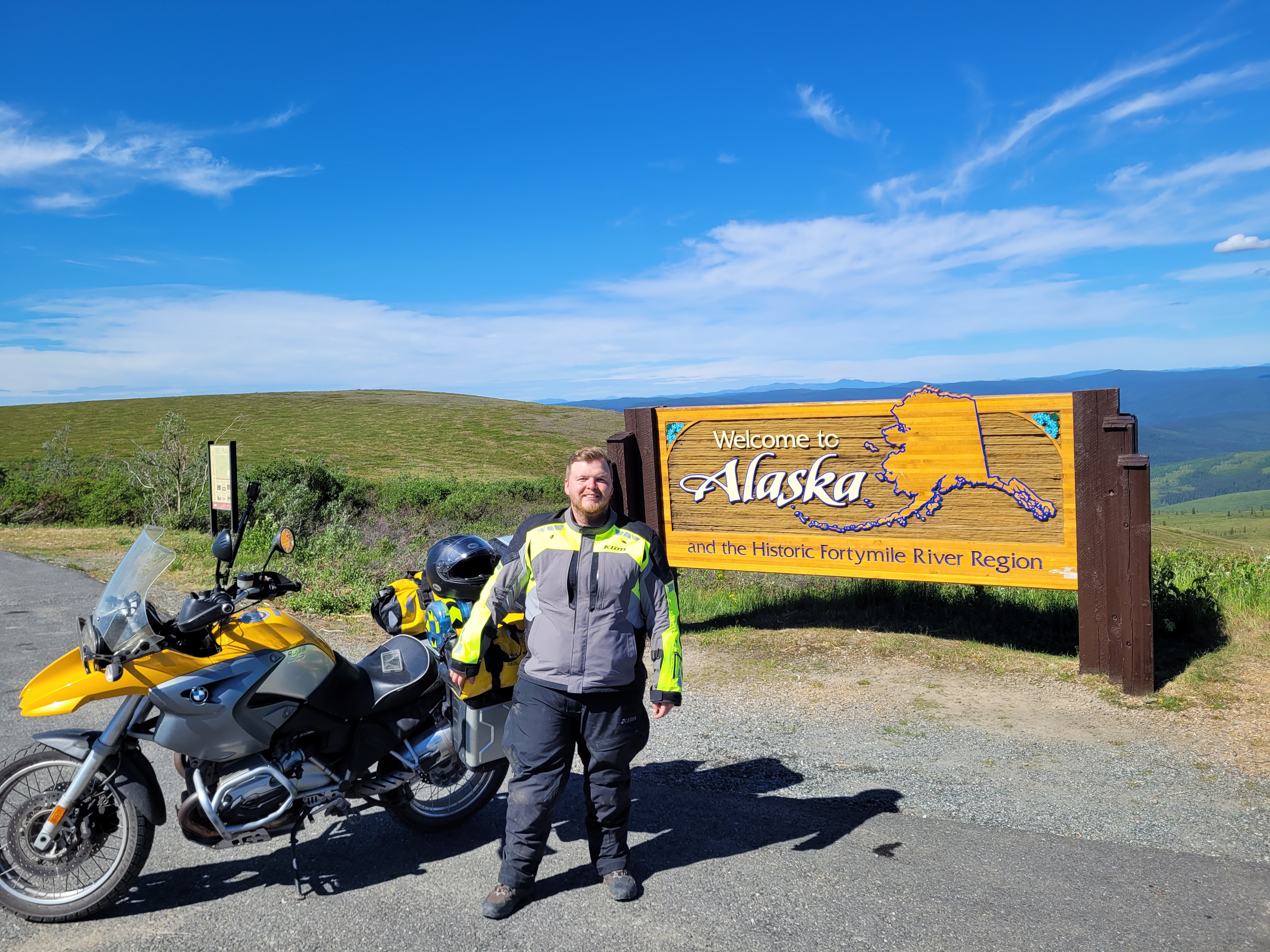
Northern Alaska, USA
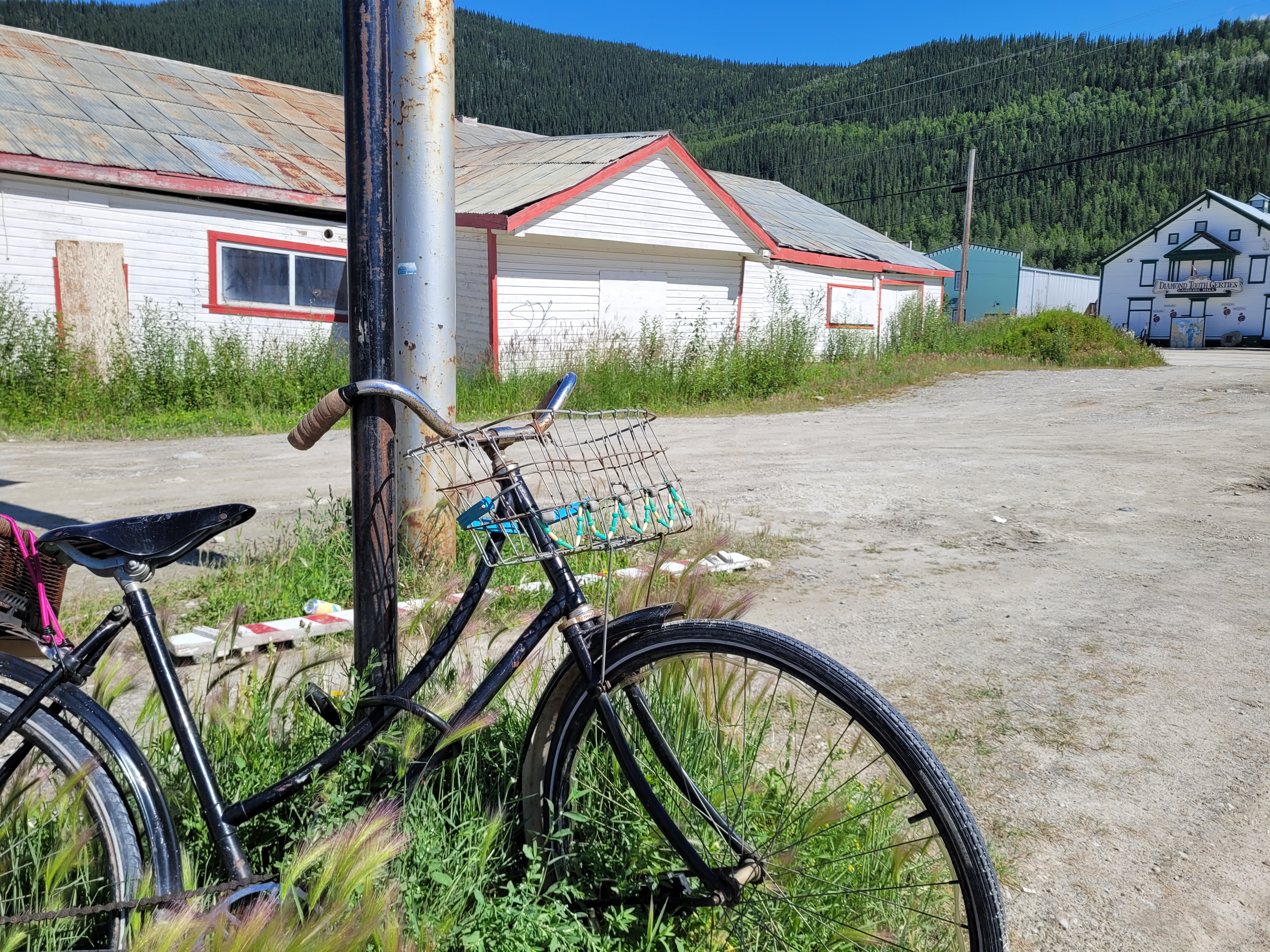
Dawson City, Yukon
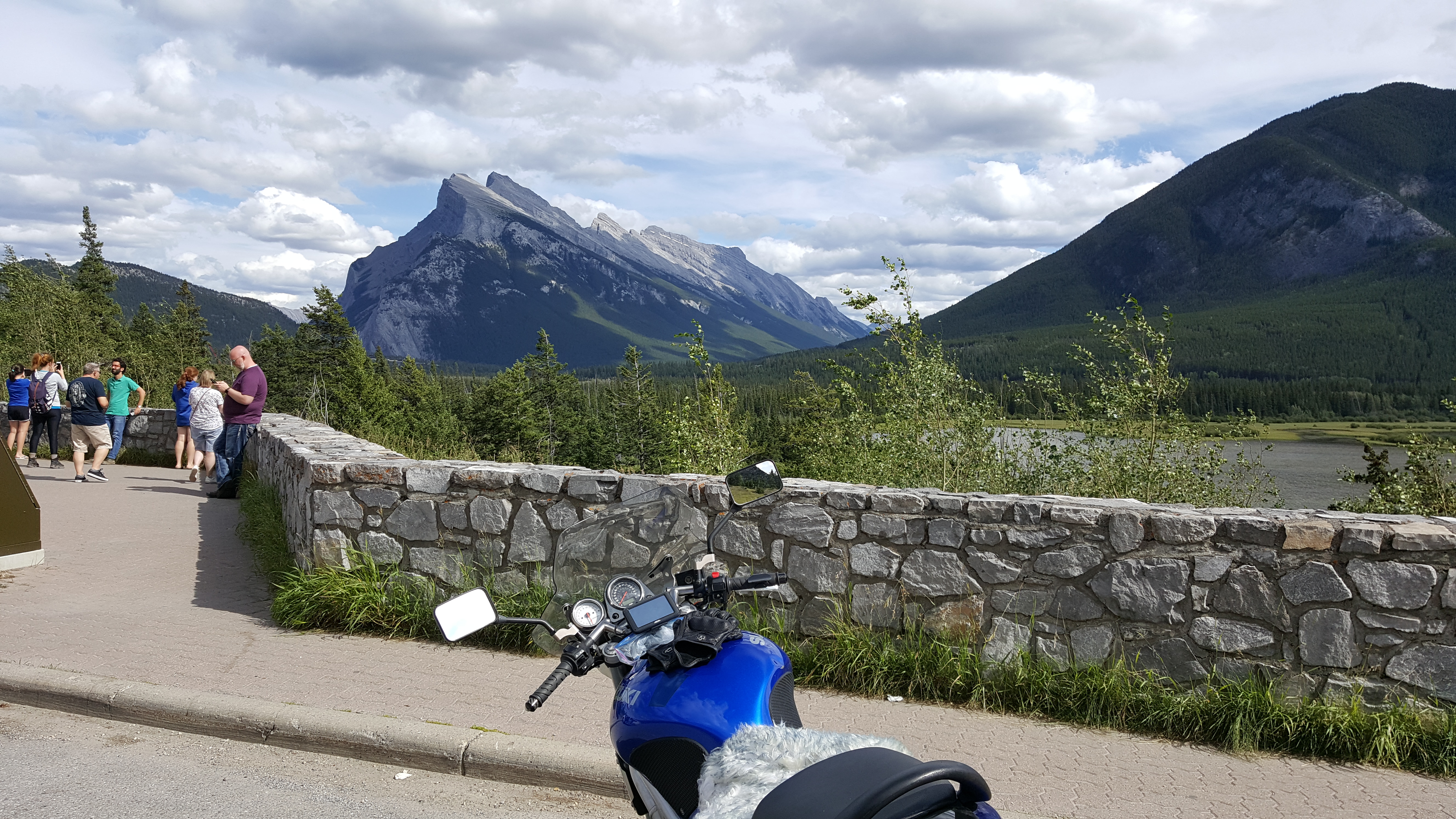
Banff National Park, Alberta
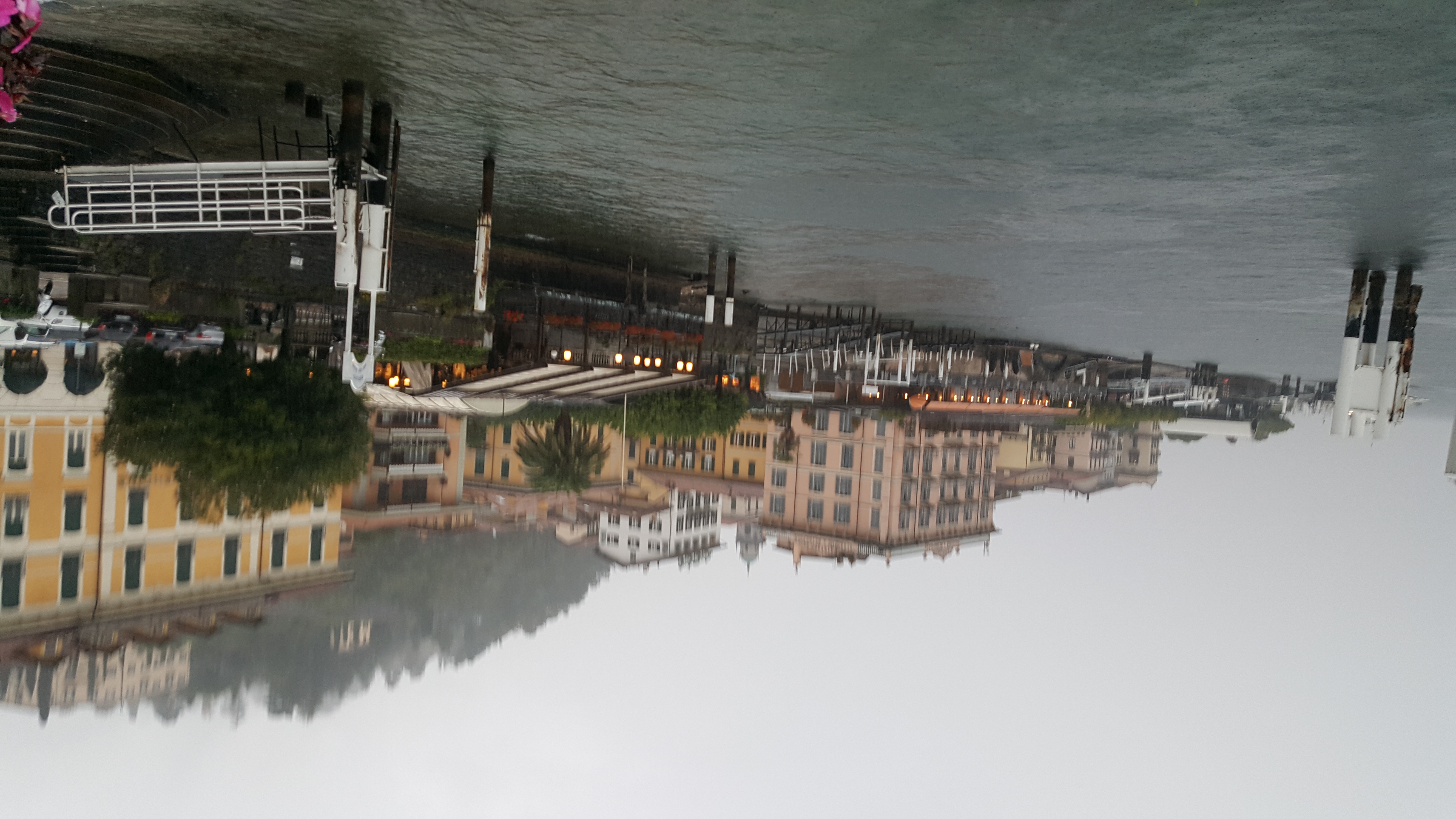
Bellagio, Italy
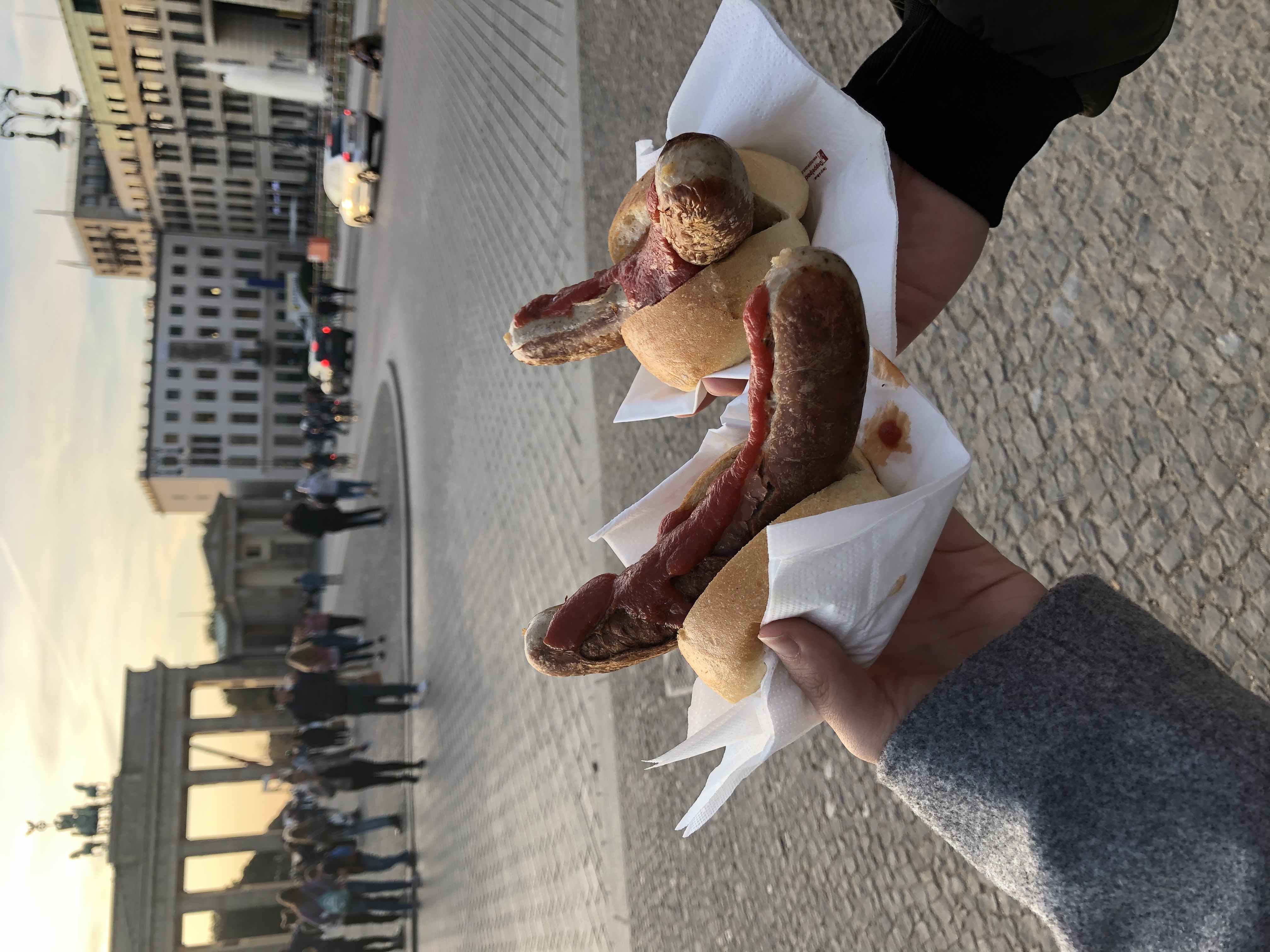
Berlin, Germany
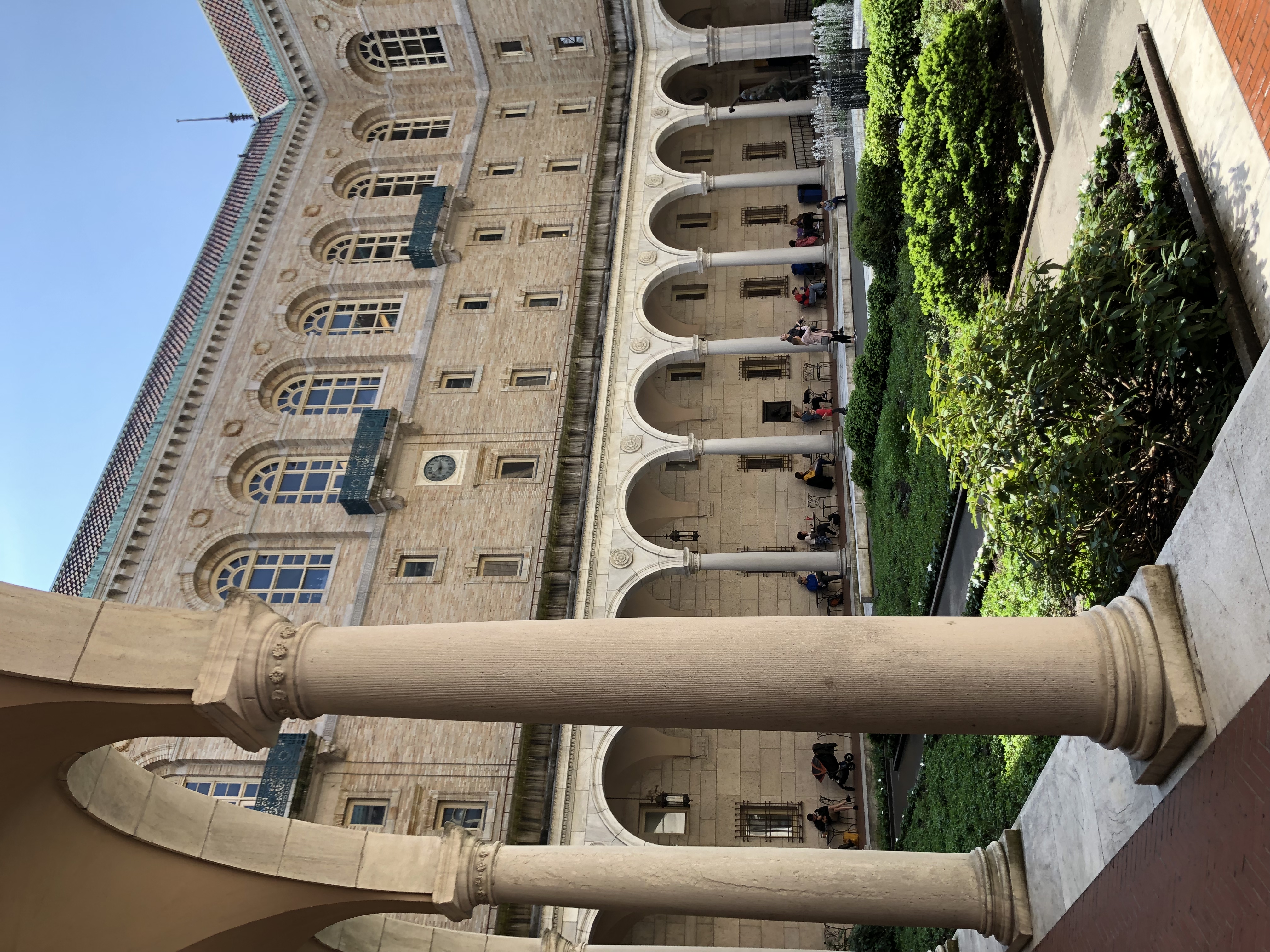
Boston Public Library, Boston
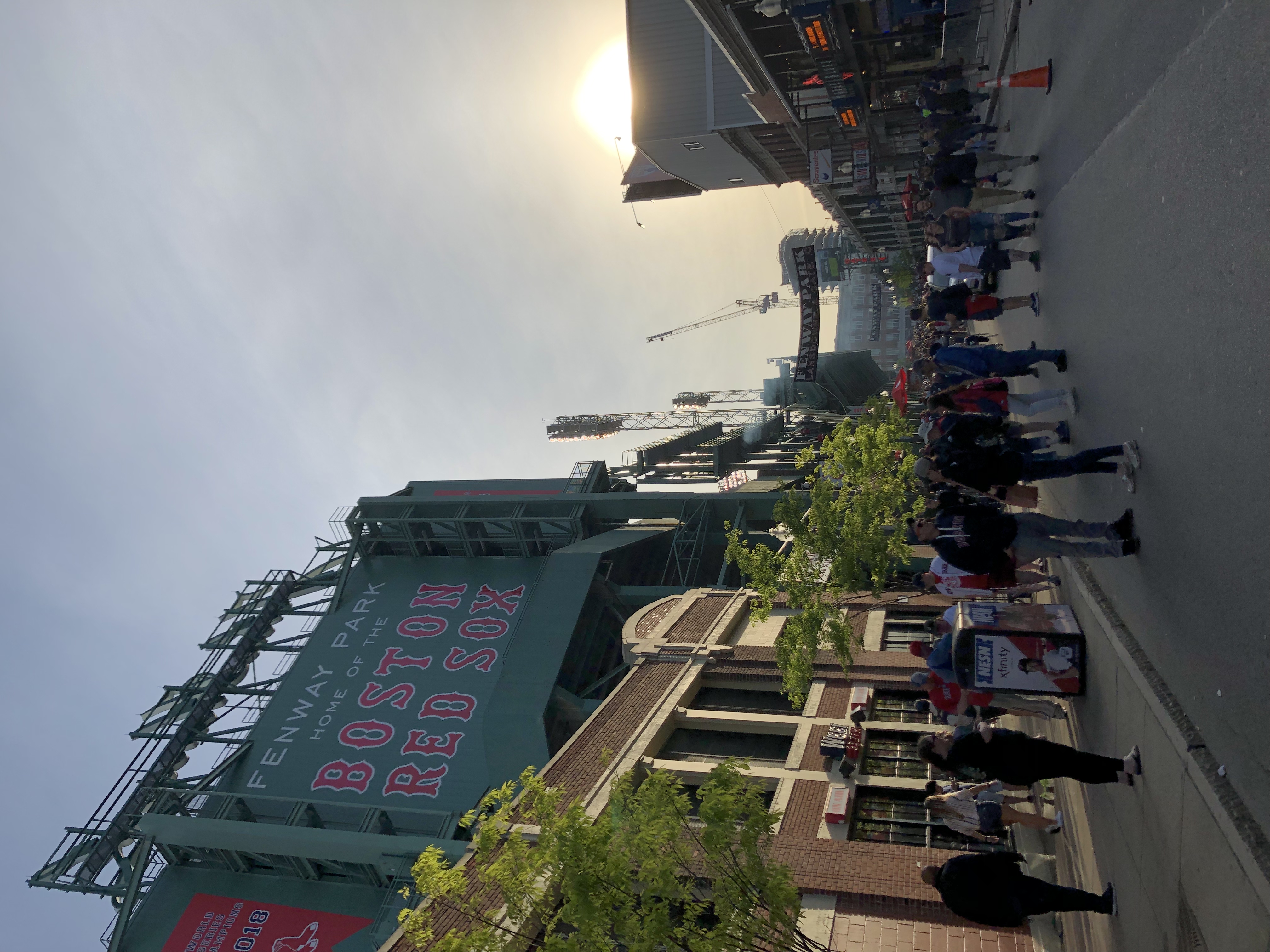
Fenway Park, Boston
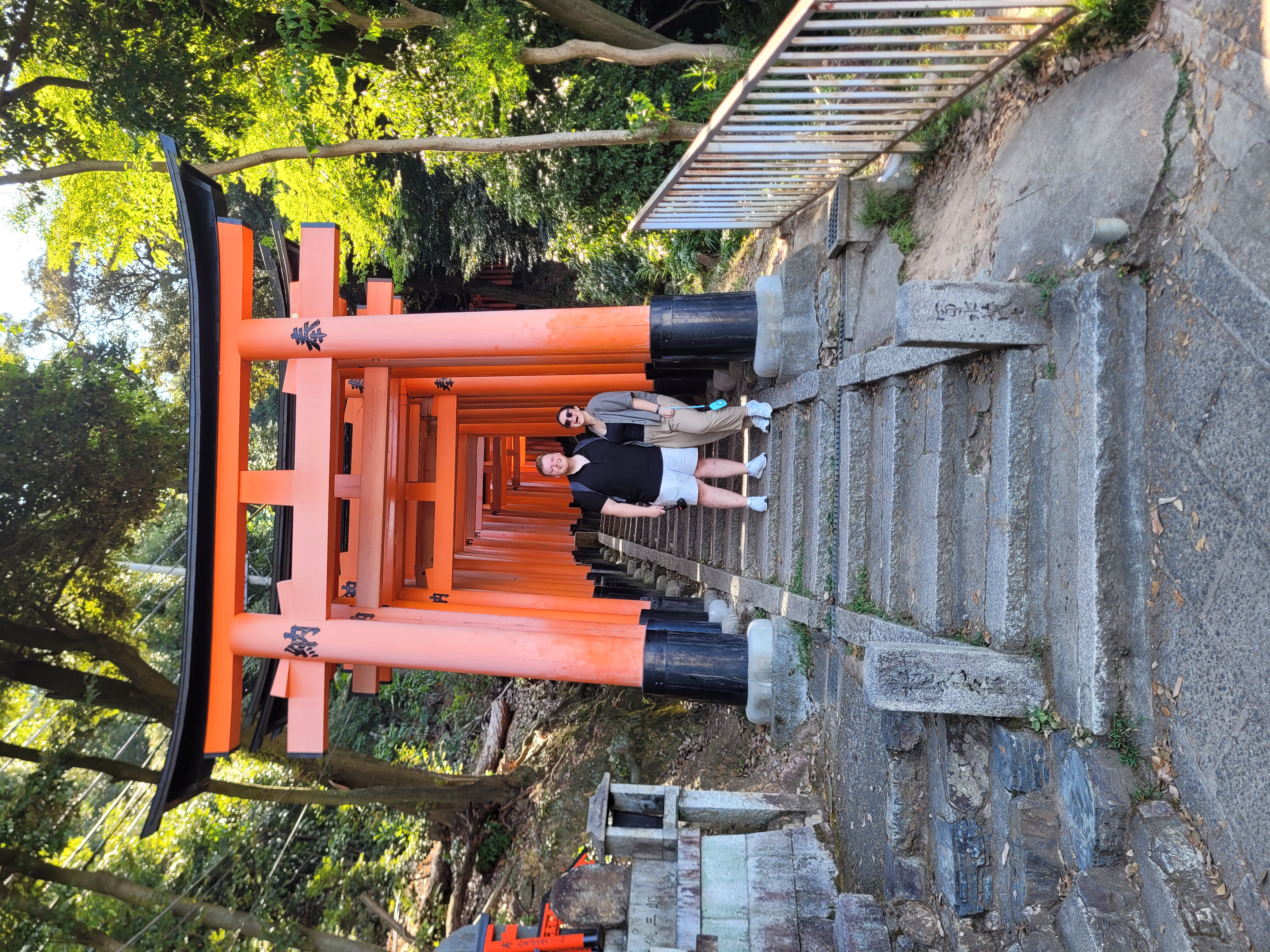
Fushimi Inari Shrine, Kyoto, Japan
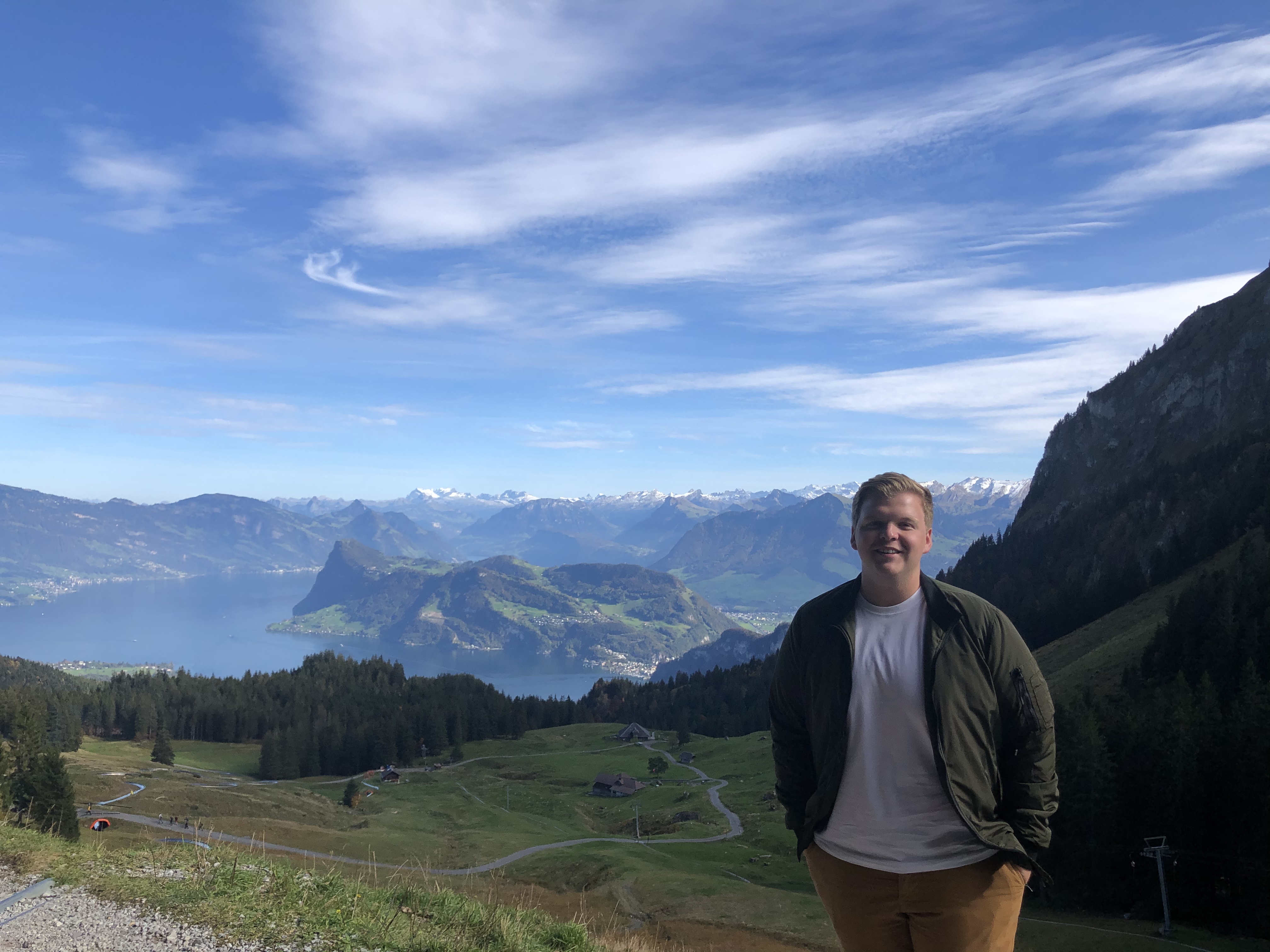
Interlaken, Switzerland
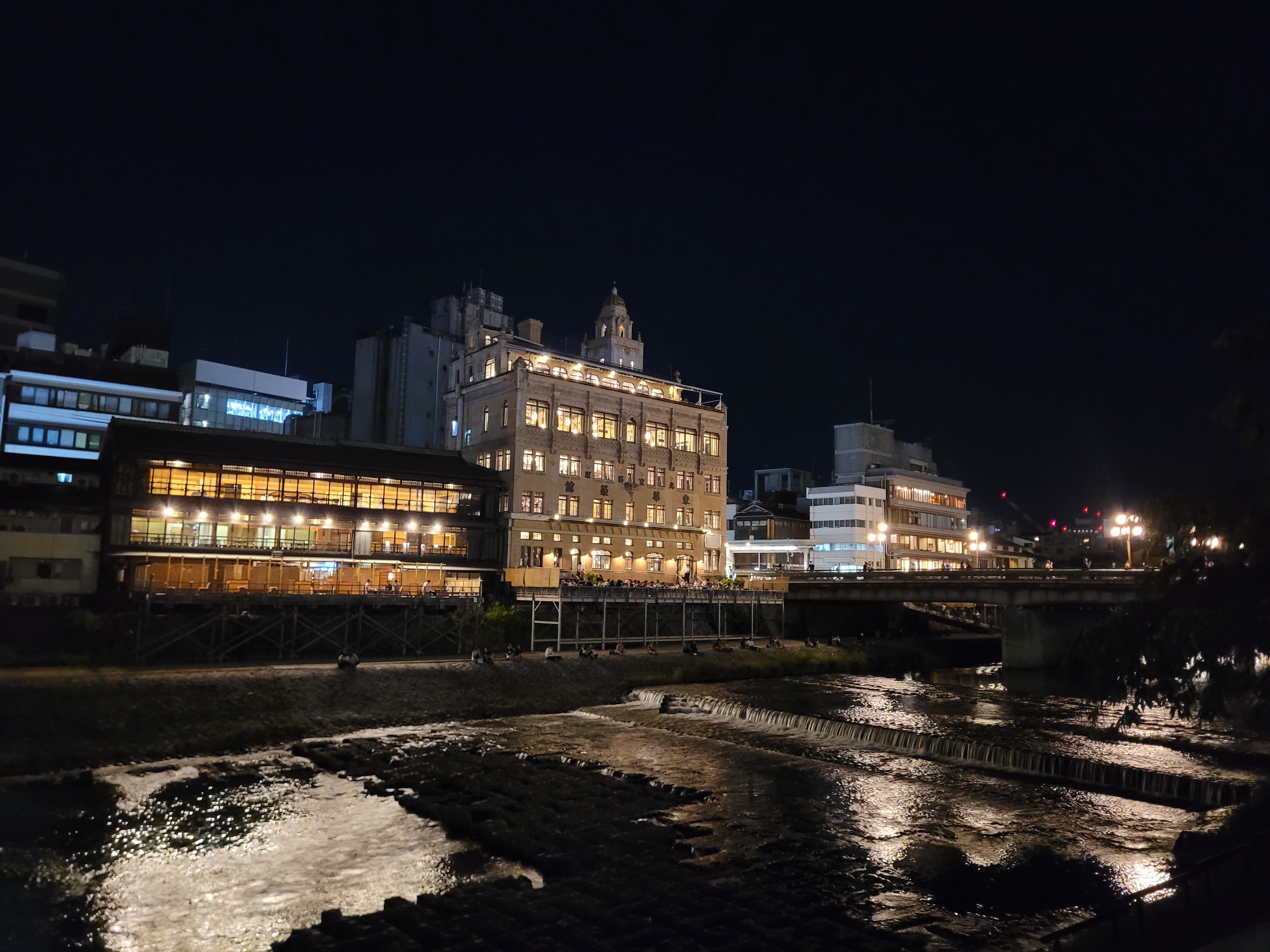
Kyoto, Japan
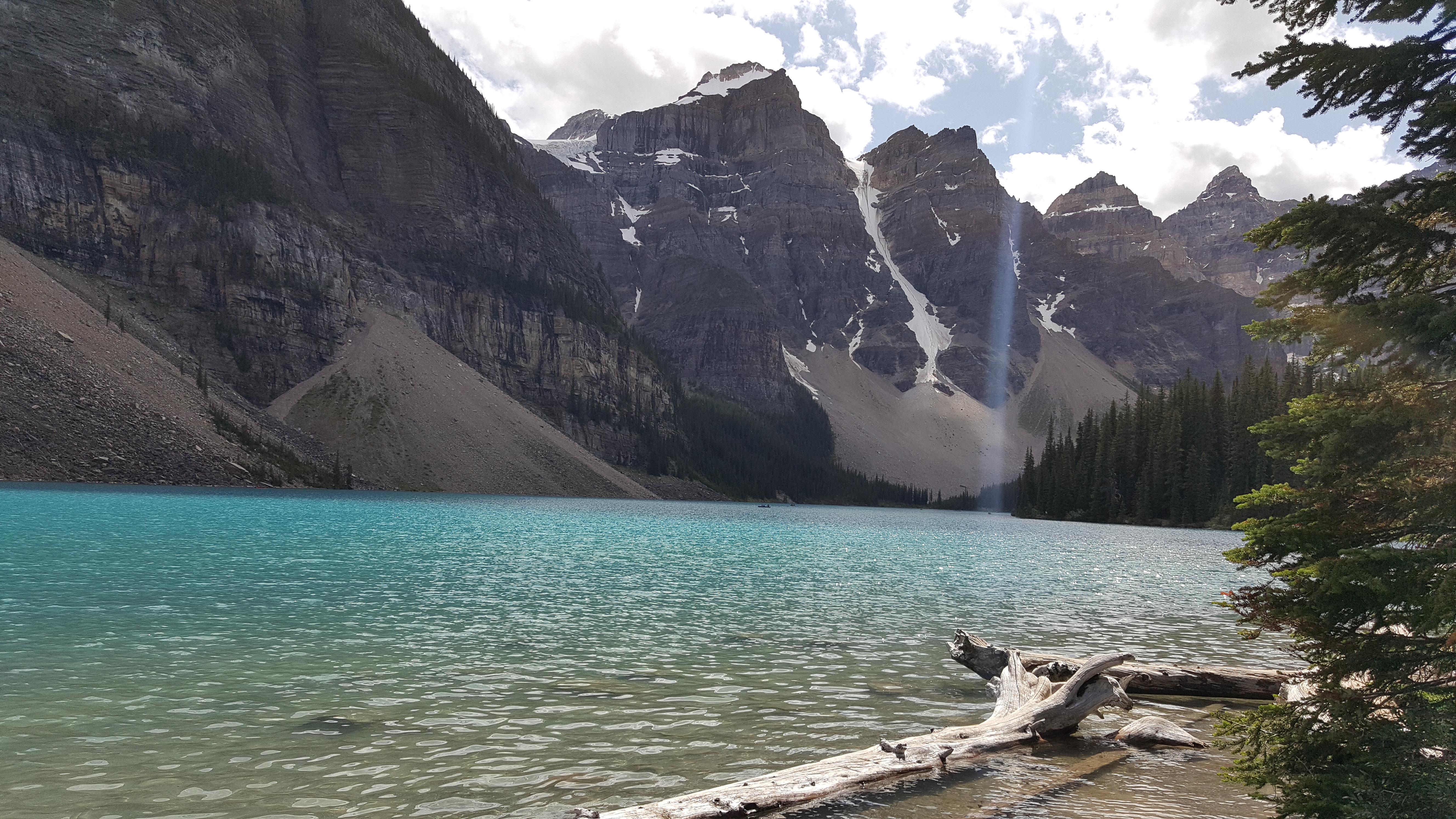
Lake Moraine, Alberta
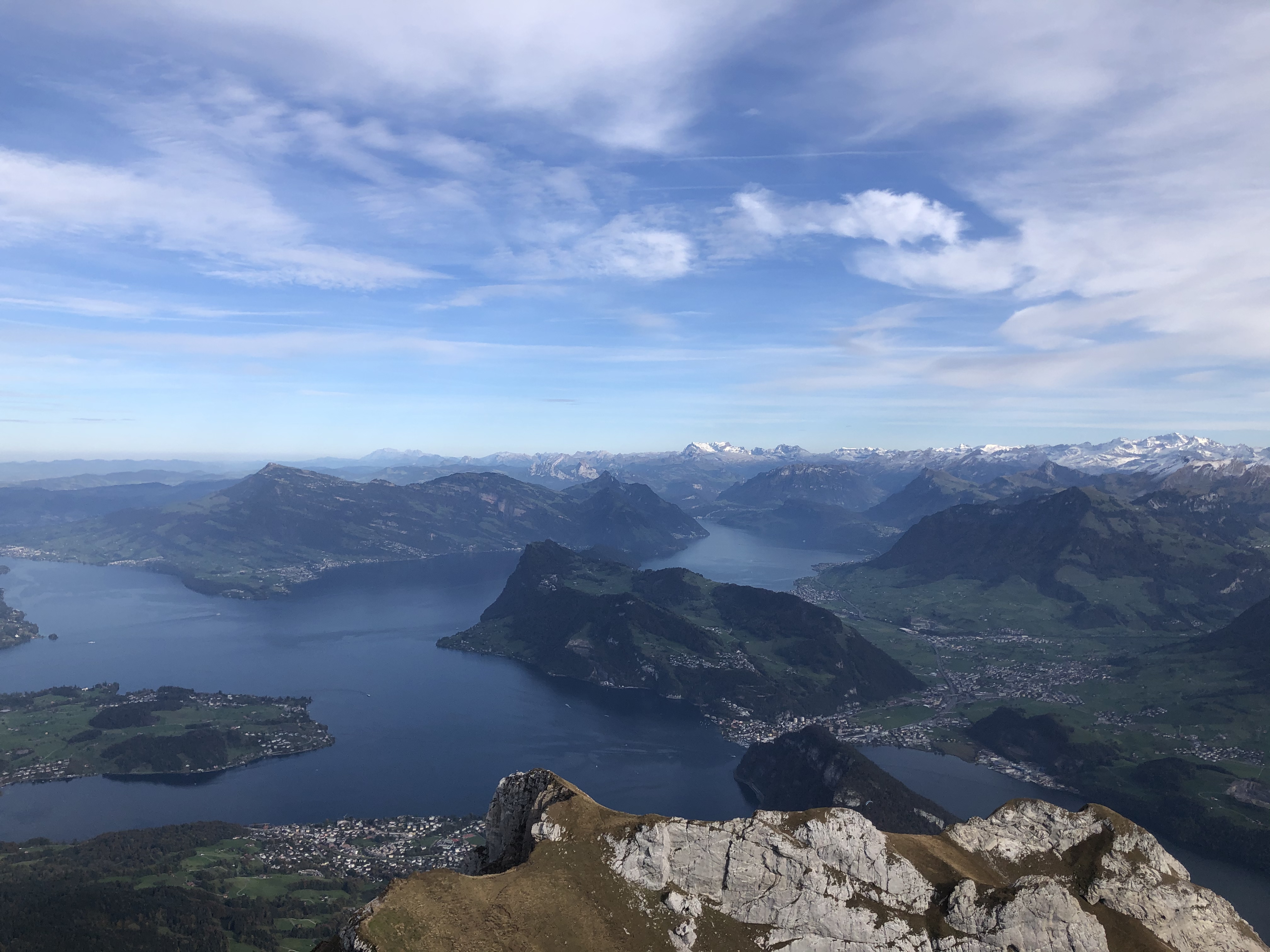
Mount Pilatus, Switzerland
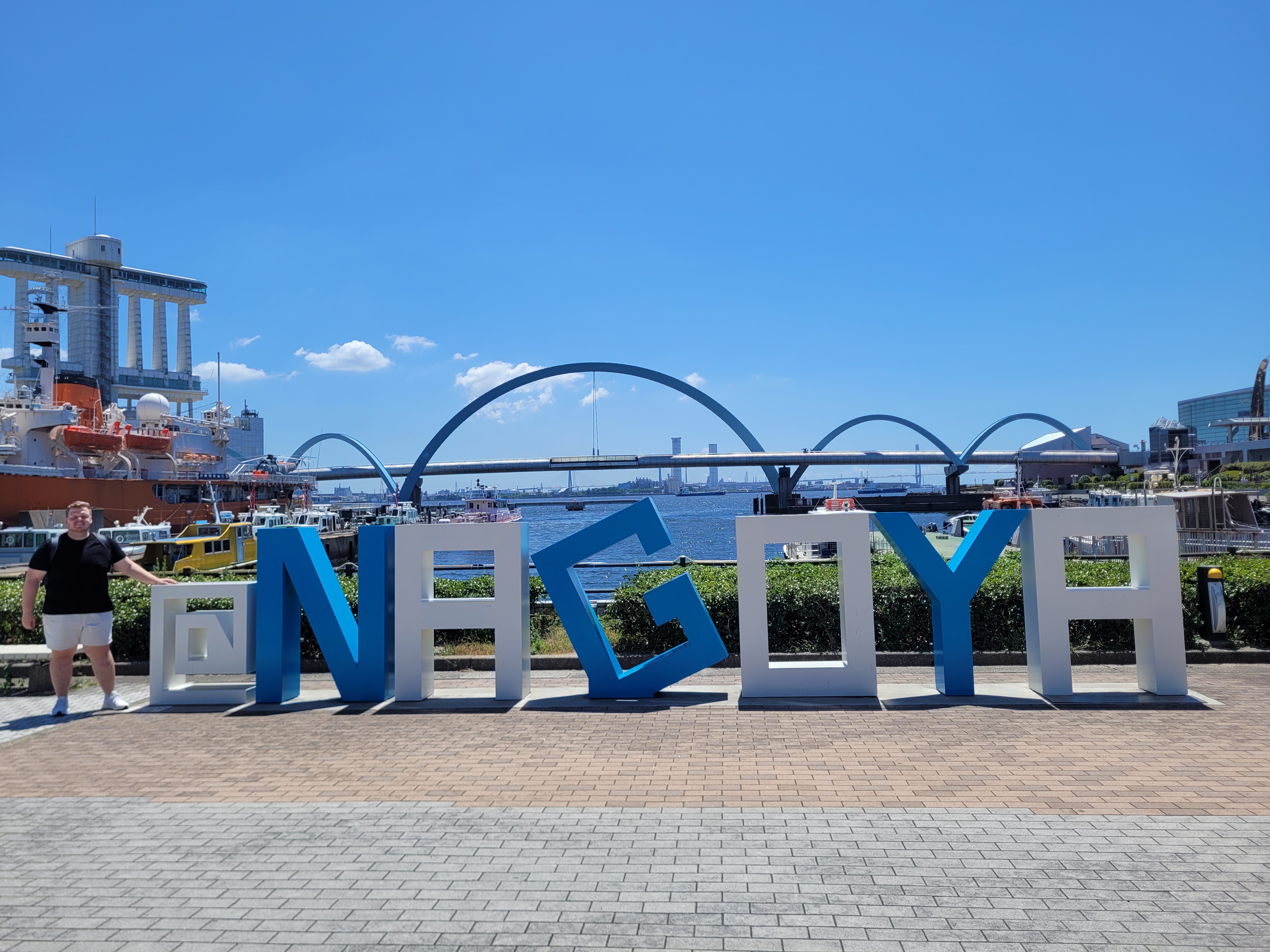
Nagoya, Japan
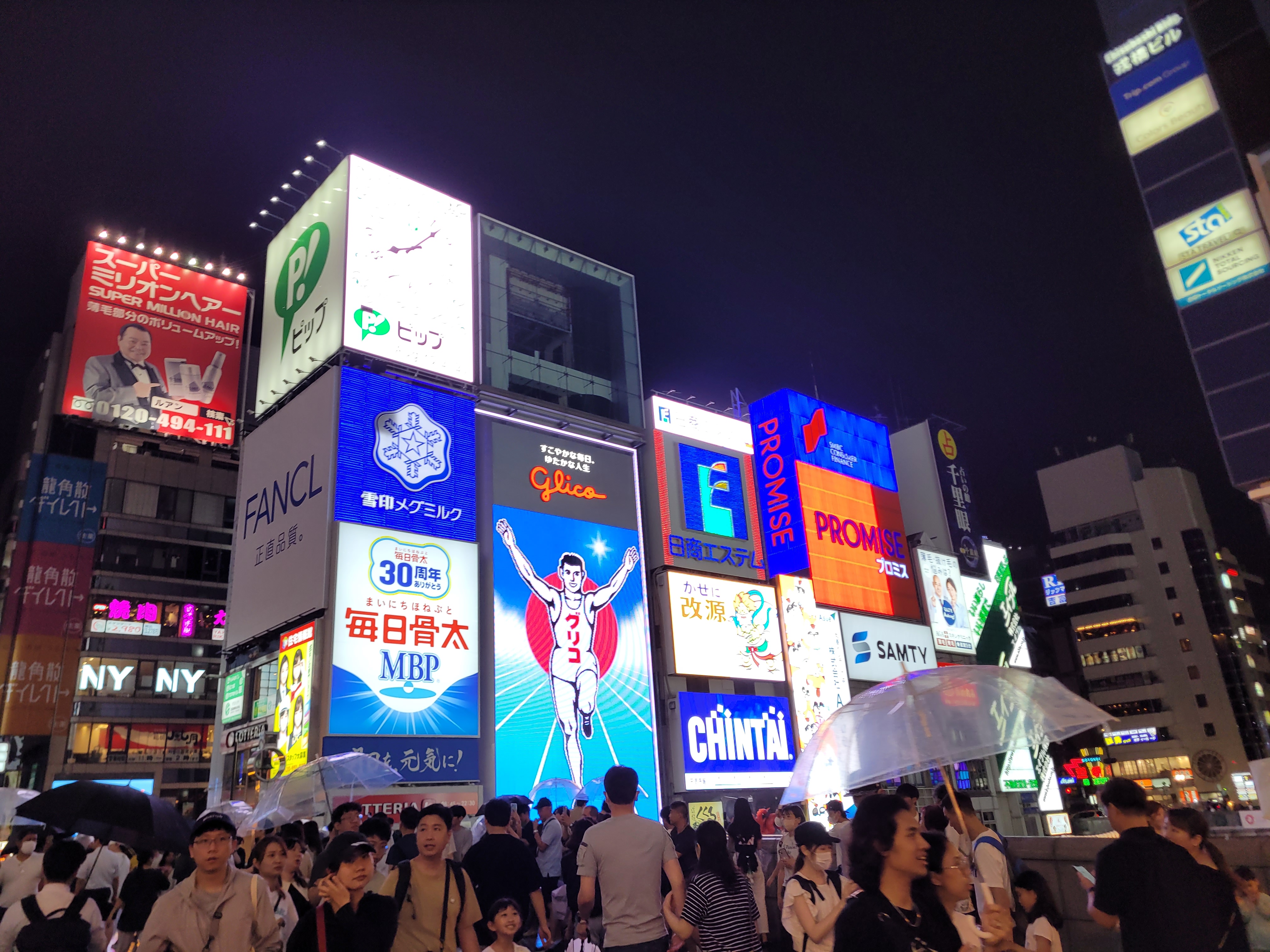
Osaka, Japan
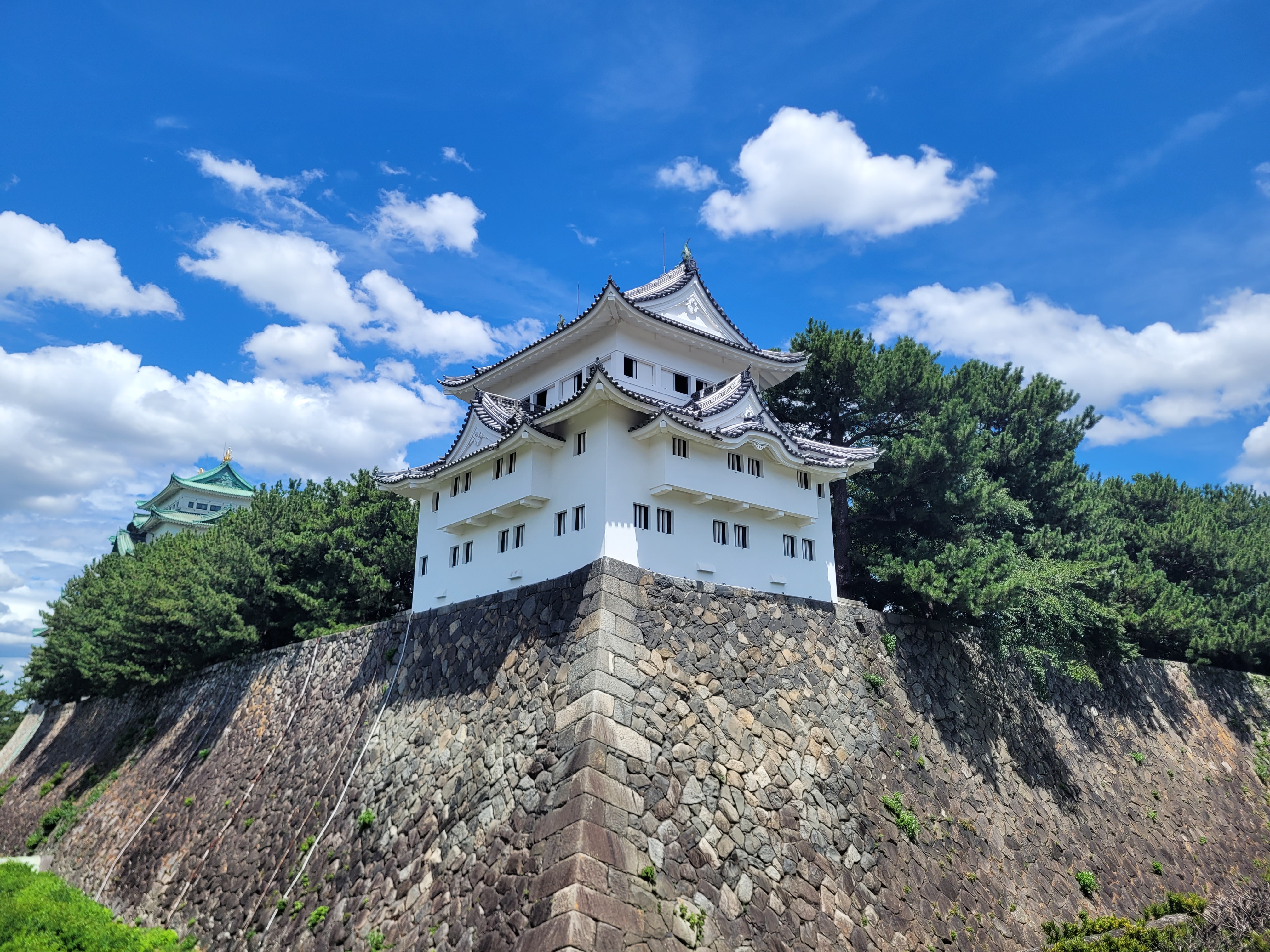
Osaka Castle, Japan
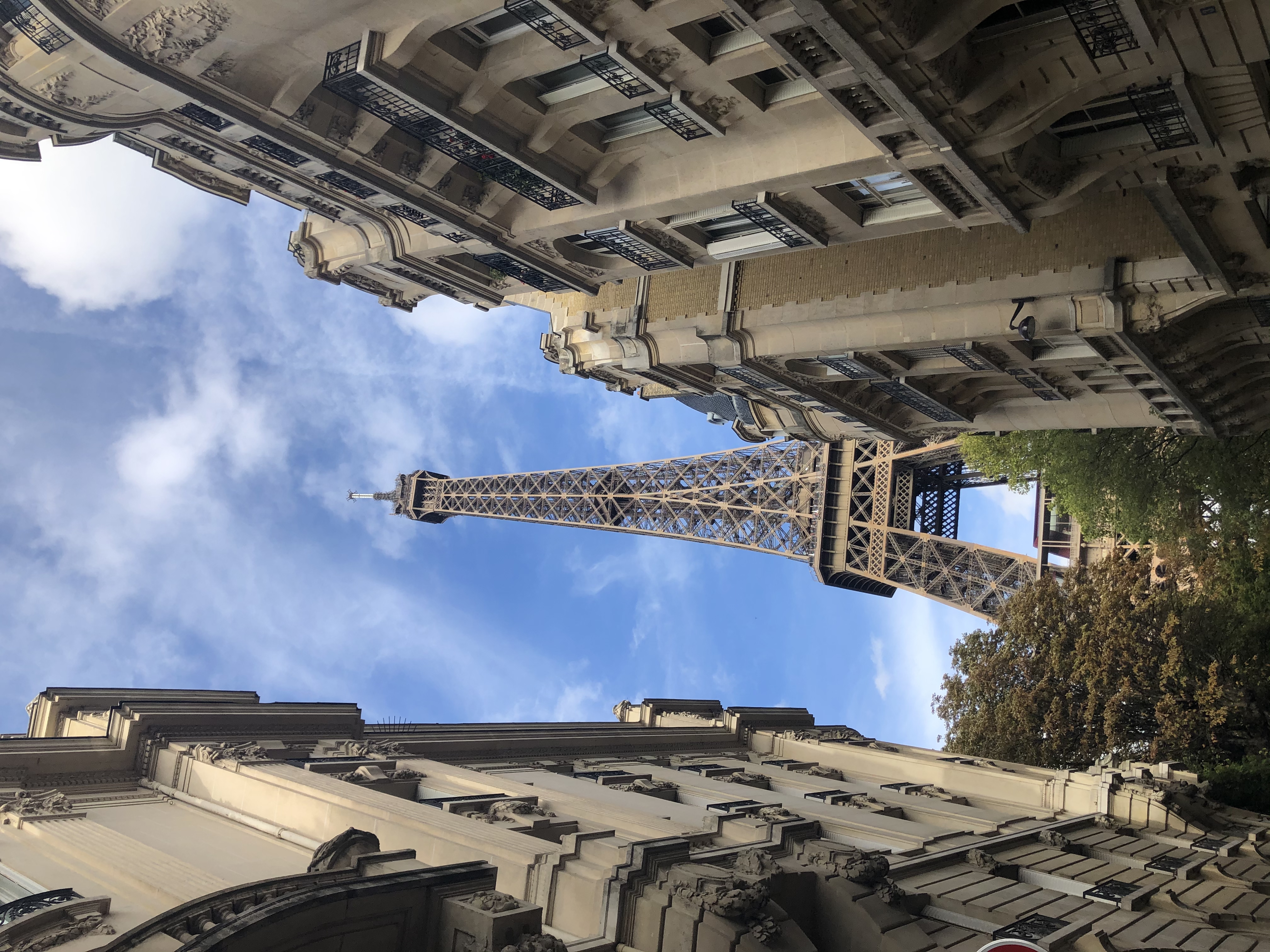
Paris, France
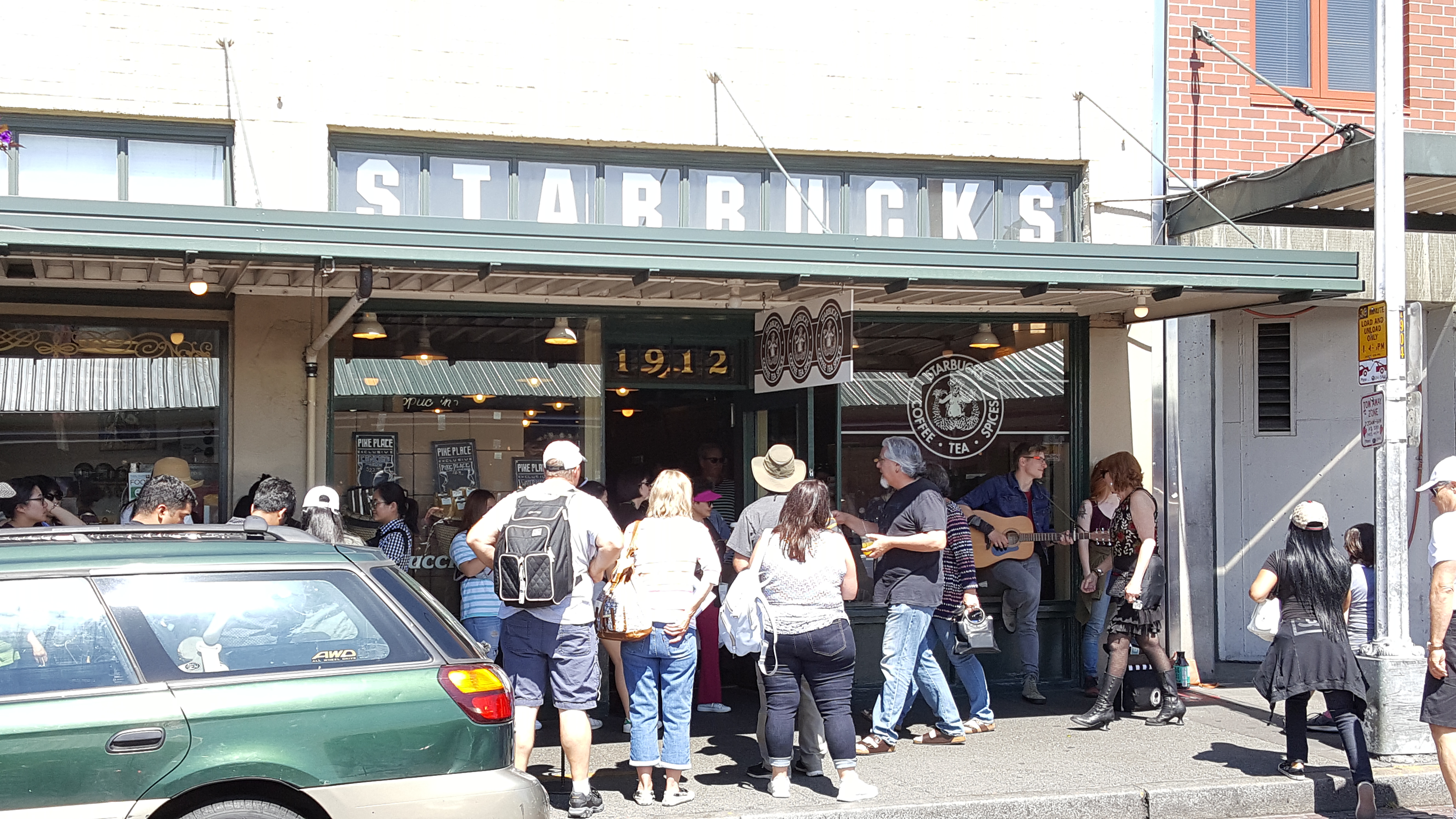
Pike Place Market, Seattle
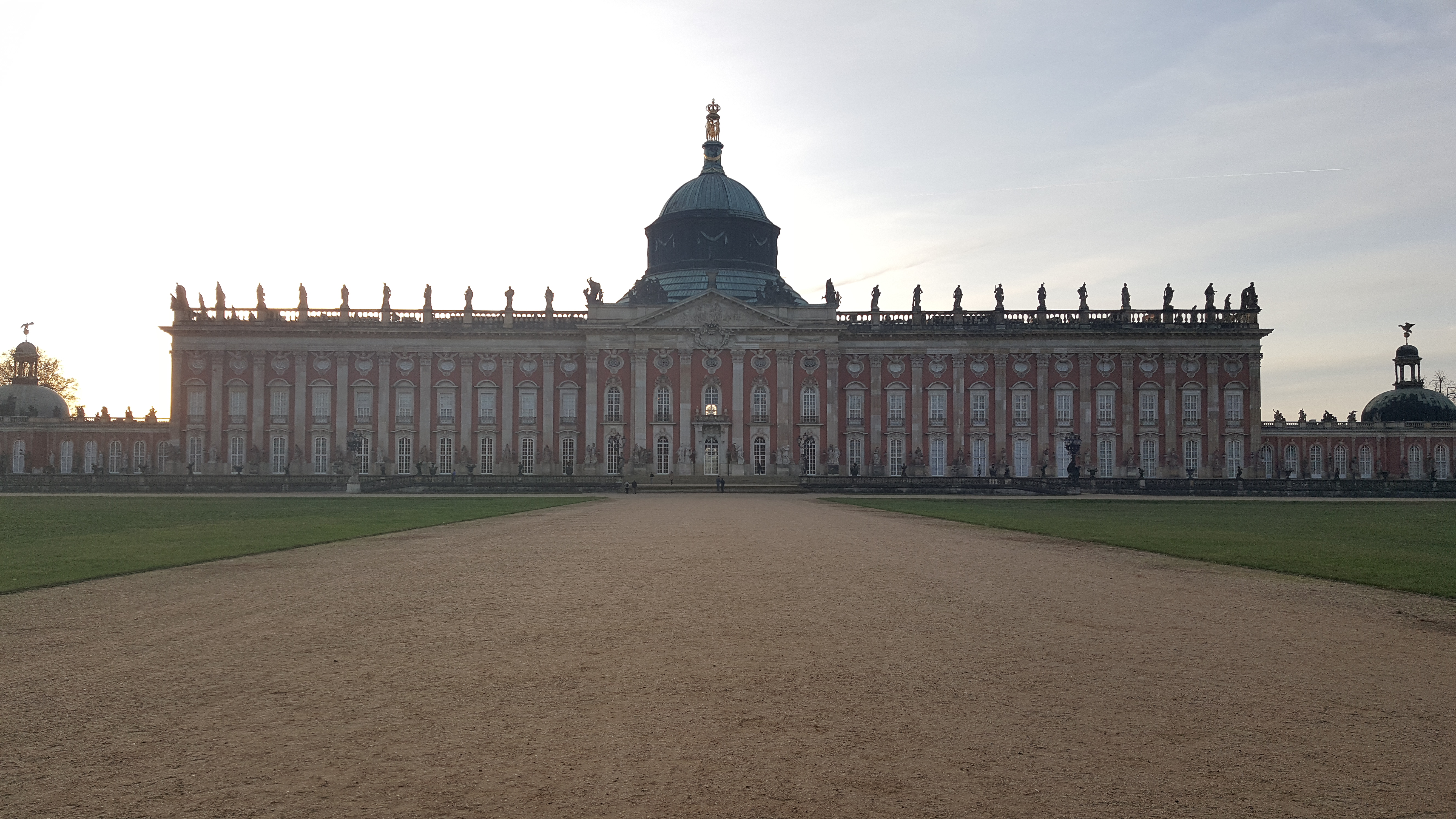
Potsdam, Germany
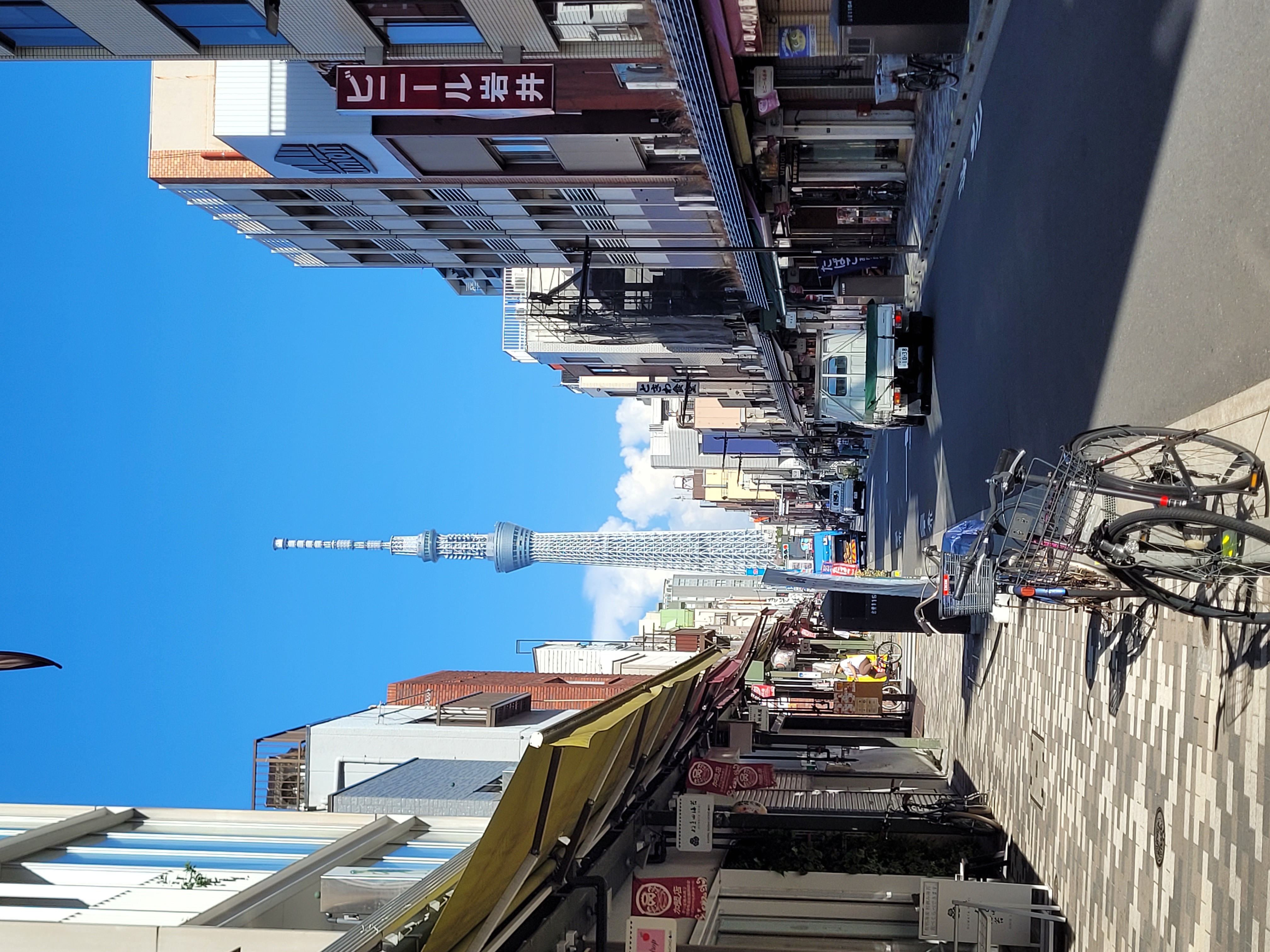
Tokyo, Japan
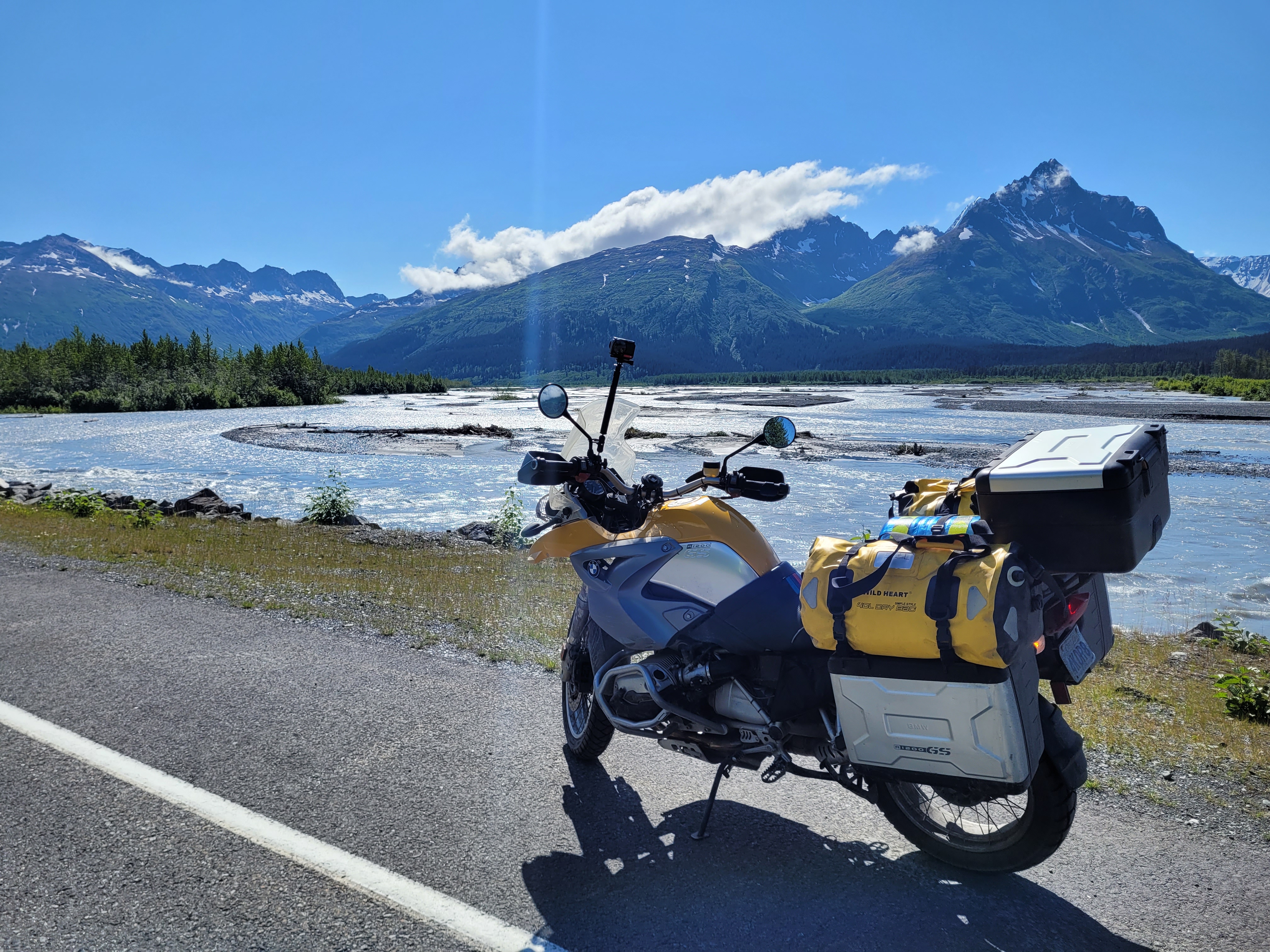
Valdez, Alaska, USA
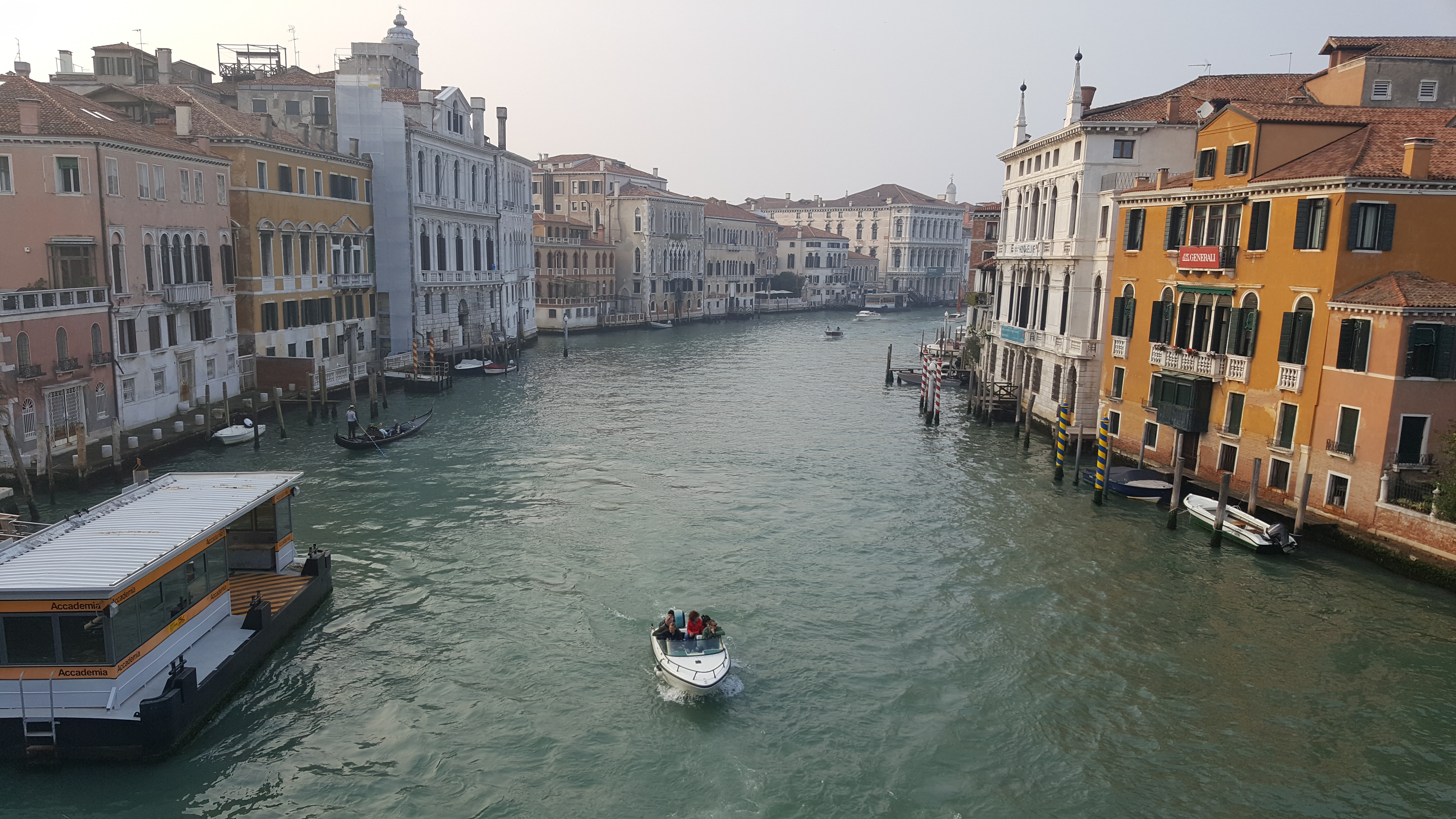
Venice, Italy
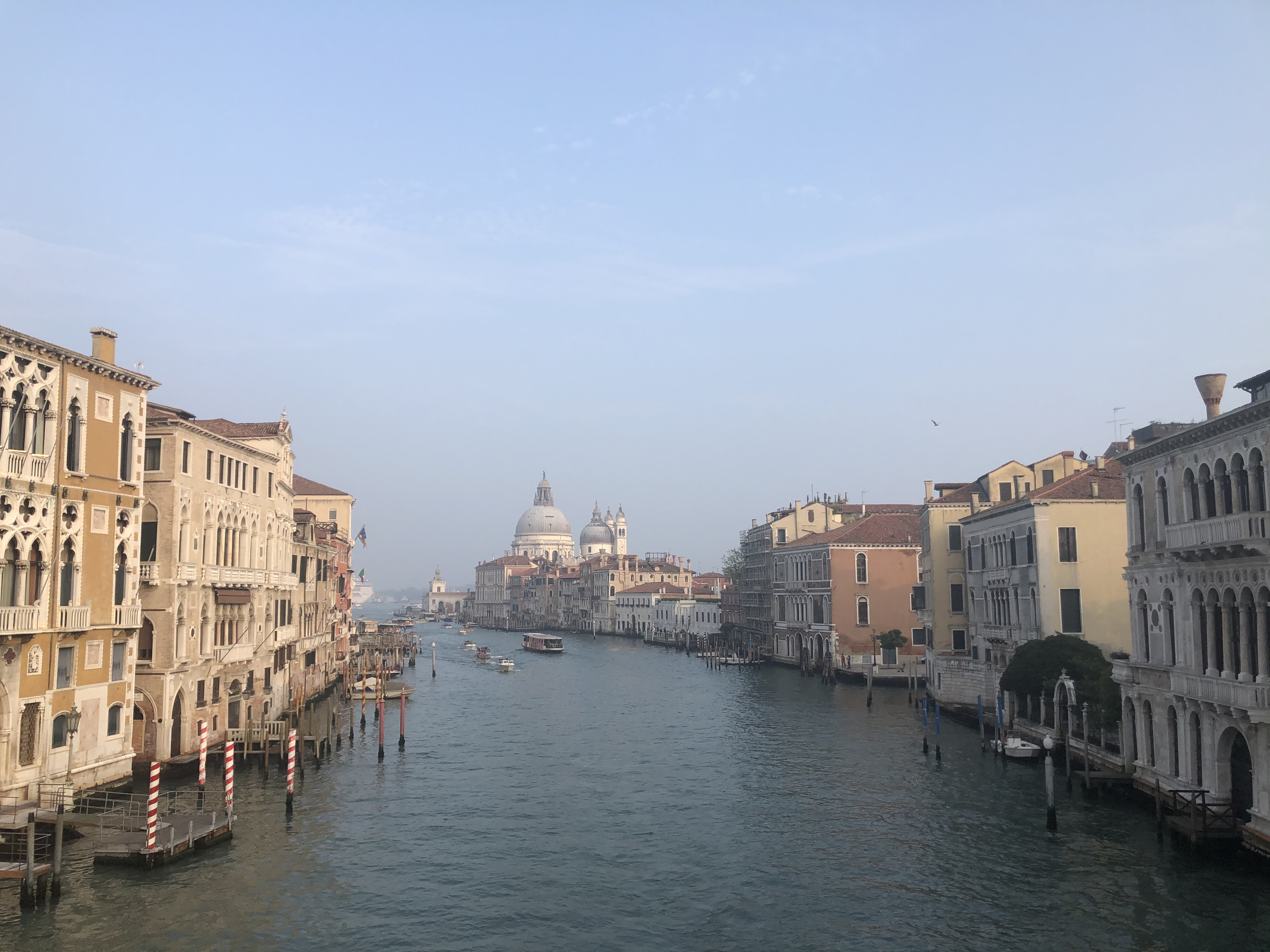
Venice, Italy
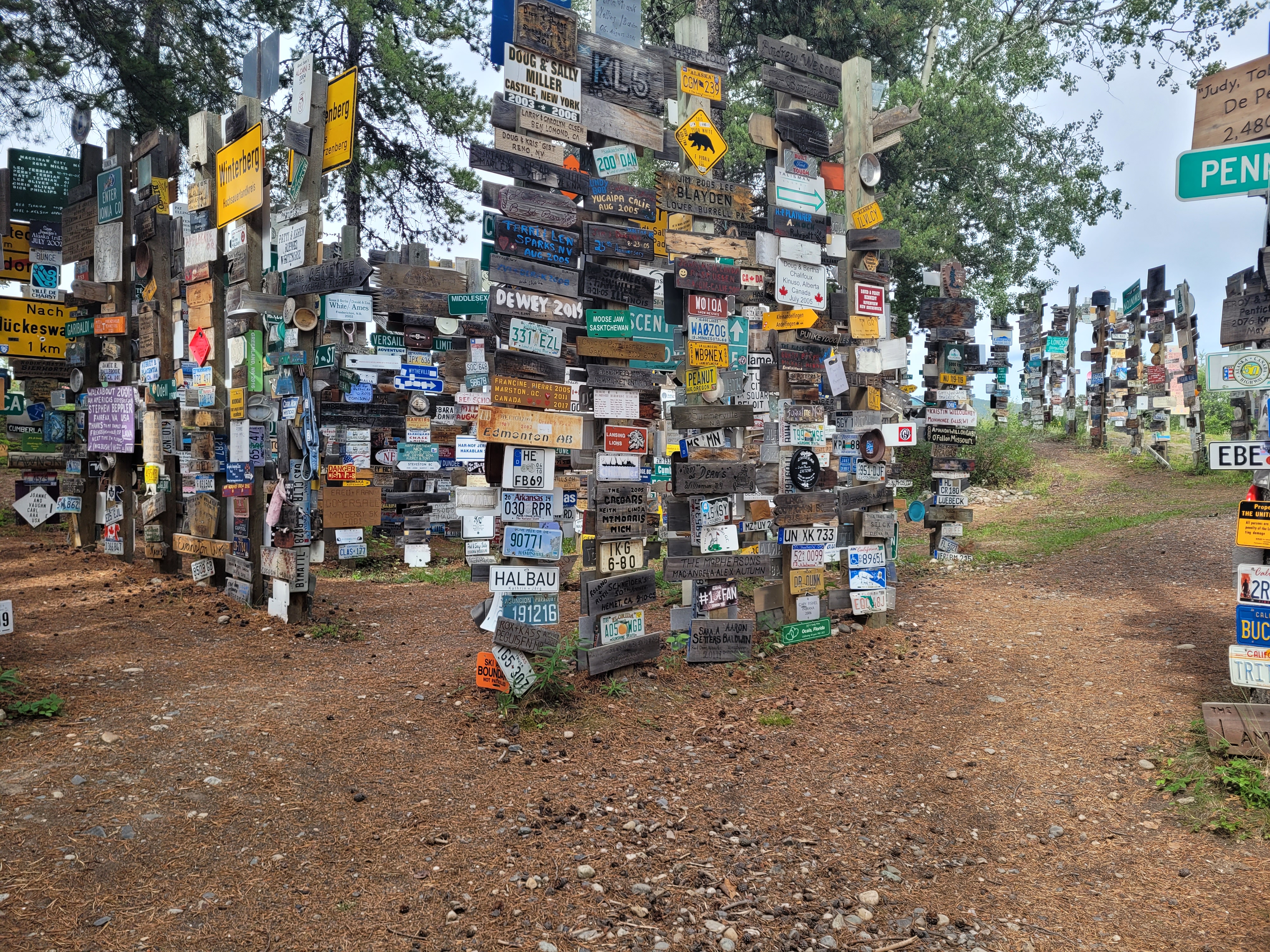
Watson Lake, Yukon
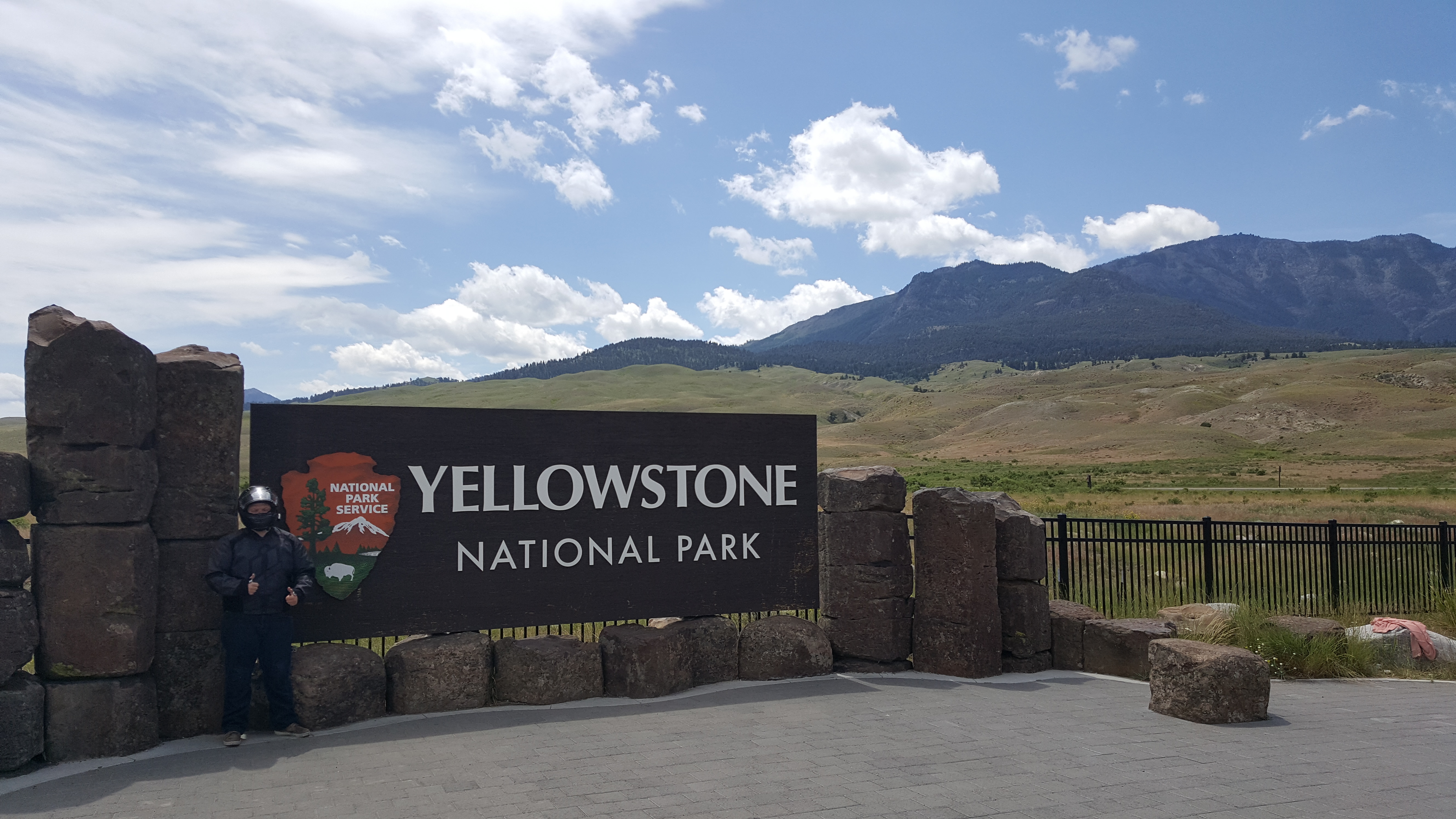
Yellowstone National Park, USA
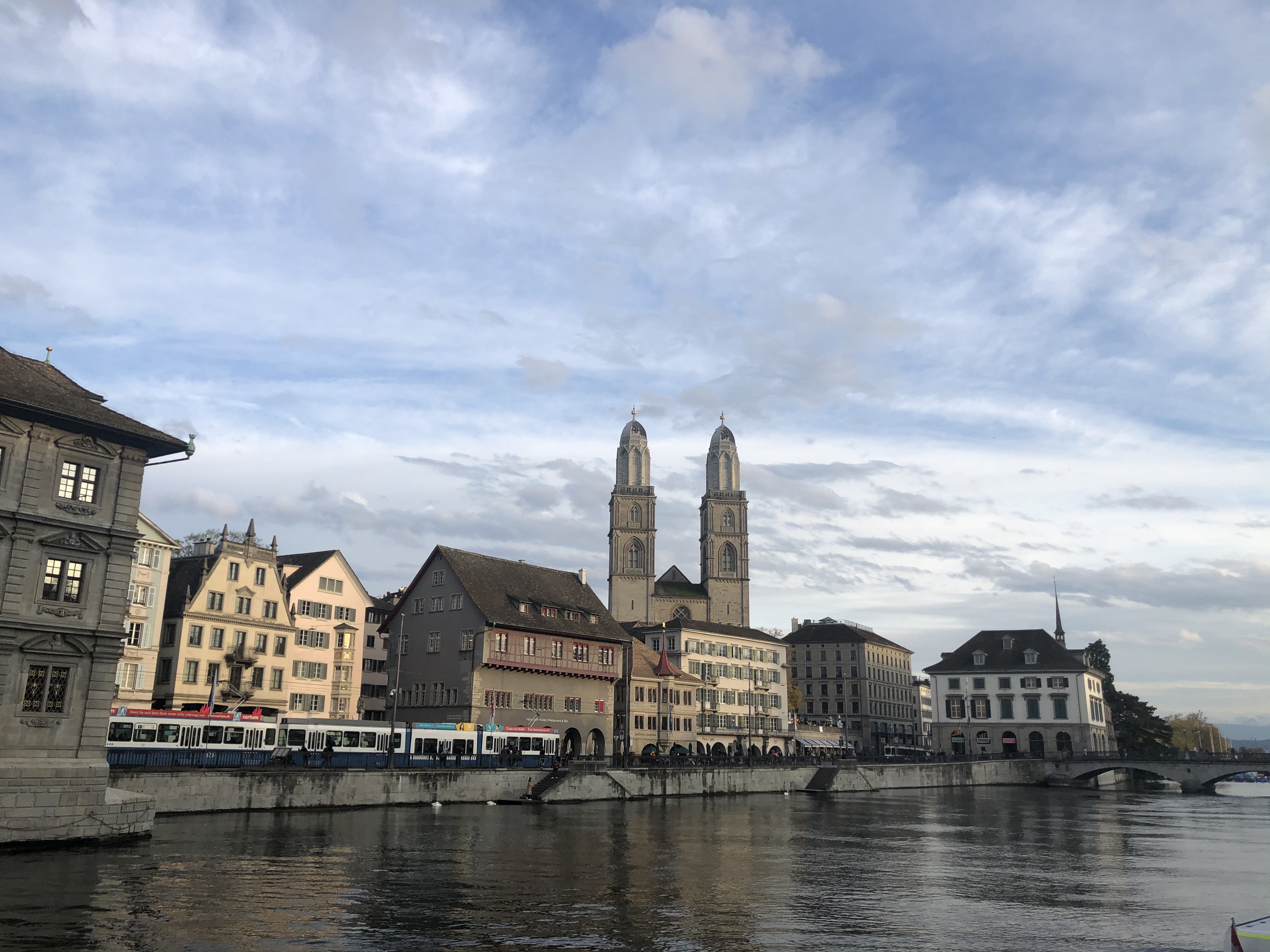
Zurich, Switzerland